All orders are delivered within 48 hours
For any inquiries, you can contact us on WhatsApp 99222292
You can order via WhatsApp and pay via the link
Pay online


2 People are viewing this product right now


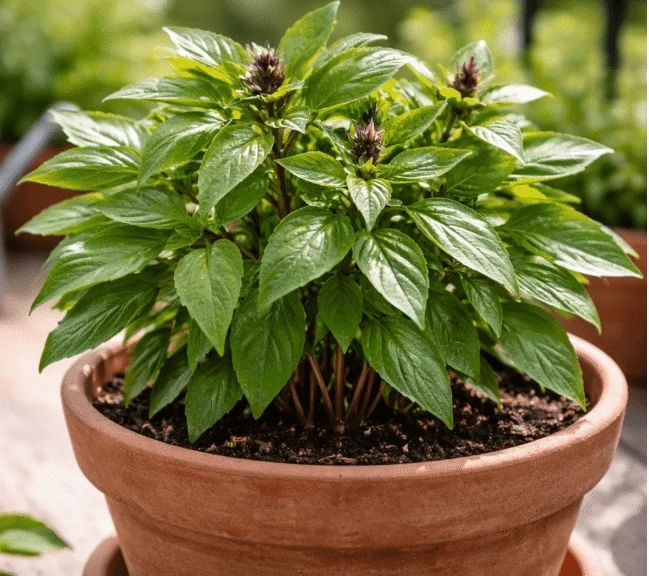
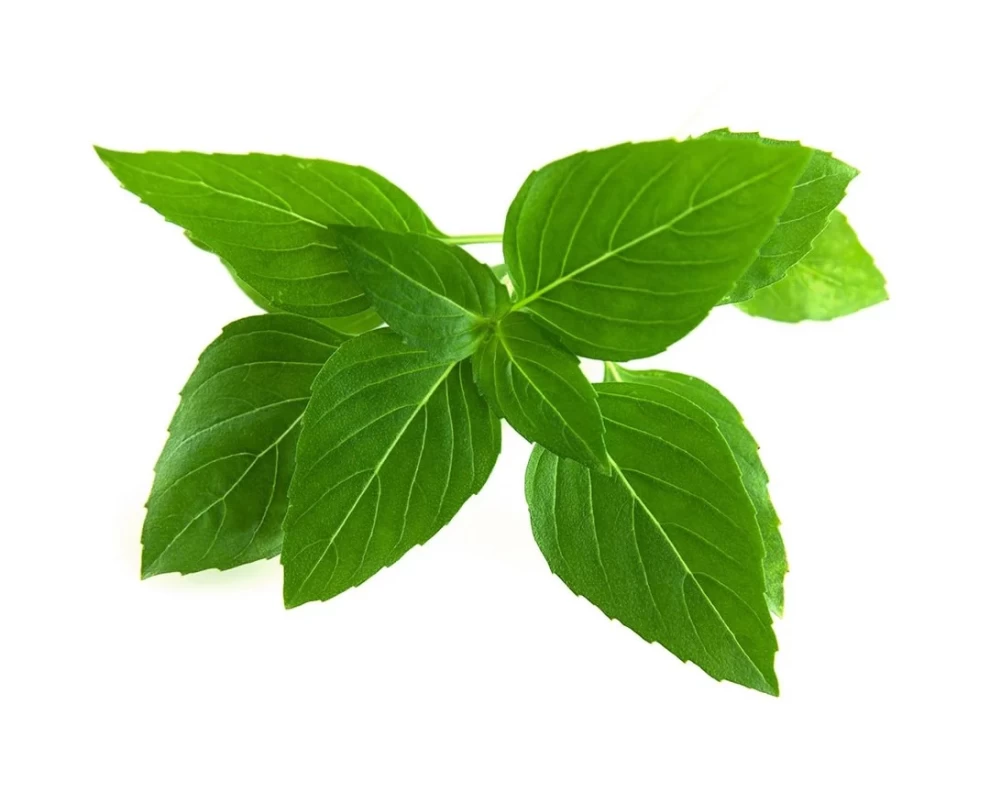
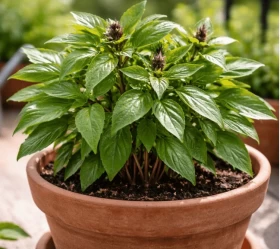
Thai Sweet Basil - *Ocimum basilicum* var. *thyrsiflora*
Thai sweet basil—known in Thailand as *horapha*—is an aromatic variety of basil characteristic of Asian cuisine, particularly in Thai, Vietnamese, and Cambodian dishes.
Cultivated for over 5,000 years, it is native to Southeast Asia. It differs significantly from Italian basil: it has a sweet flavor with notes of anise and clove, along with a mild spiciness. It features purple stems and blossoms, while its leaves are narrower and more pointed.
Nutritional Value
Vitamins: K, A, and C
Minerals: Magnesium, calcium, iron, and potassium
Volatile oils and flavonoids: Powerful antioxidants that reduce inflammation, help combat aging, and promote arterial health.
Very low in calories.
Benefits and Uses
Anti-inflammatory and antibacterial: Used in traditional medicine for its anti-inflammatory and antibacterial properties, as well as for immune support.
Digestive health: The leaves and flowering tops possess antispasmodic, aromatic, carminative (gas-relieving), digestive, and stimulating properties. They help alleviate bloating, stomach cramps, colic, and indigestion.
Nervous system health: Known for its effects on both the digestive and nervous systems, it helps promote a calming effect.
Antioxidant: Rich in vitamins A and K, antioxidants, and minerals such as calcium and iron. Culinary Uses
Popular Thai dishes: Pad Krapow Gai (stir-fried chicken with holy basil), shrimp Pad Krapow, and Green Curry (Gaeng Keow Wan).
Soups and noodles: Fresh leaves can be added to Pho, noodle dishes, and rice dishes to provide a bold flavor.
Stir-fries and curries: Add the leaves in the final minute of cooking to ensure they retain their flavor.
Salads: Eaten fresh in various Asian-style salads.
Dried: The leaves can also be used in dried form, though fresh leaves offer superior flavor.
Golden Rule: Do not cook Thai basil for too long; add it at the very end and turn off the heat to preserve its sweet, anise-like flavor.
Cultivation
Perennial in warm climates: It is a tender perennial in frost-free regions, while in other areas, it is grown as an annual. In USDA zones 10–11, it acts as a short-lived perennial.
Height: Typically reaches 30–45 cm in height and 30 cm in width; ideal for pots and garden beds.
Light: Sunlight is essential. It requires at least 6–8 hours of direct sunlight to thrive.
Soil: Prefers rich, light, well-draining, organic-rich soil with a pH between 6.0 and 7.5. It thrives in moist, sandy, or loamy soil.
Planting: Can be purchased from a nursery or grown from seeds. Sow seeds indoors 6–8 weeks before the last frost. Transplant outdoors once the risk of frost has passed, spacing plants 30–45 cm apart.
Germination: Occurs within 7–14 days at temperatures between 22–28°C. Harvest after 60–80 days.
Watering and Fertilization: Plant in a sunny location, water regularly, and apply a nutrient-rich fish emulsion or seaweed-based fertilizer 2–3 times during the active growing season. The plant thrives in warm temperatures (21–29°C).
To encourage a bushy plant: Regularly pinch off the tips just above a growth node, remove flowers as they appear to prevent the plant from weakening, and trim away any leaves showing brown spots.
Note for Kuwait: Excellent for cultivation in Kuwait from October to May. During the summer, the plant requires light shade around midday and regular watering; it also grows very well in pots or hydroponic systems indoors.
Harvesting and Storage:
Regularly harvest leaves from the top to promote branching.
Store fresh in the refrigerator, wrapped in a damp paper towel.
Alternatively, the leaves can be dried or frozen in ice cube trays with olive oil.