All orders are delivered within 48 hours
For any inquiries, you can contact us on WhatsApp 99222292
You can order via WhatsApp and pay via the link
Pay online


2 People are viewing this product right now


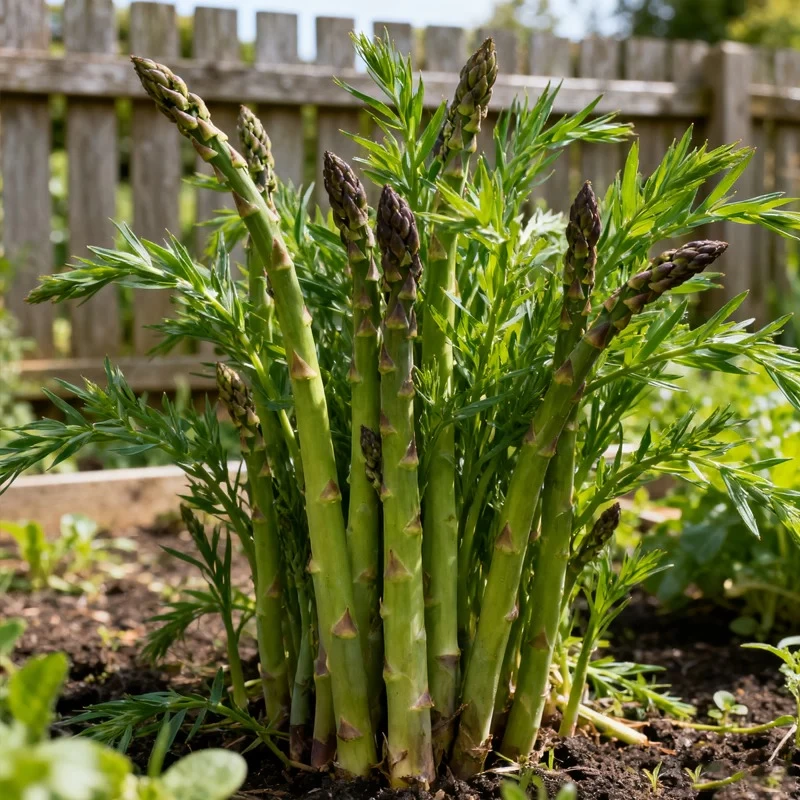
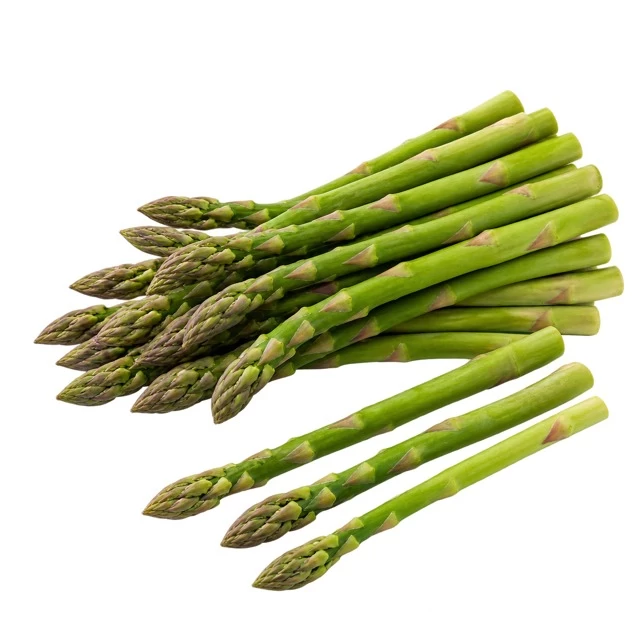
Asparagus - *Asparagus officinalis*
Asparagus is a perennial herbaceous plant and one of the finest spring vegetables in the world. Its cultivation dates back over 2,000 years; it was known to the ancient Egyptians as early as 300 BC. It is a highly prized crop, valued for its delicious taste and distinctive flavor.
This perennial plant features slender stems that can reach a height of about two meters, with long, needle-like leaves and bell-shaped green or yellow flowers. The edible portion consists of the aerial shoots that emerge from its roots; these can be consumed raw, cooked, boiled, or grilled.
Nutritional Value
Very low in calories: only 20 calories per 100 grams.
Water content: approximately 94%.
Vitamins: A, B1, B2, C, E, and K.
Minerals: Calcium, magnesium, phosphorus, iodine, iron, potassium, copper, manganese, selenium, and zinc.
Other components: Folic acid, dietary fiber, protein, rutin, and the antioxidant glutathione.
Asparagus is among the vegetables richest in folic acid, which is particularly important during pregnancy.
Benefits and Uses
Powerful antioxidant: Rich in vitamin C, flavonoids, and glutathione, which help combat cancer and heart disease while reducing oxidative stress.
Heart health and blood pressure: It aids in the treatment of rheumatism, helps lower cholesterol, acts as a heart tonic, reduces arterial blood pressure, and improves liver function. Diuretic and blood purifier: It has a strong diuretic effect and is considered a key dietary food, especially for individuals with liver or kidney conditions.
Digestive support: Rich in fiber and prebiotics, it promotes a healthy digestive system.
Pregnancy support: Contains a high level of folic acid.
Low sugar content: Has a low glycemic index (around 15), making it suitable for people with diabetes.
Culinary uses
Boiled or grilled: Trim off the tough ends, wash thoroughly, then boil for 3–5 minutes or grill with olive oil.
In salads: Can be eaten raw (chopped) or boiled.
Soups and dishes: Can be added to soups, pasta, egg dishes, and omelets.
Ornamental use: Also used by florists and as an ornamental plant, thanks to its beautiful, feathery foliage.
Cultivation
Perennial plant: In well-managed fields, it can remain productive for up to 20 years, with the peak production period occurring during the first 10 years.
Soil: It can grow in almost any soil type, though it thrives best in deep, light soils—such as sandy, sandy-loam, or silty-loam soils—provided the water table is well below the surface.
Light: Requires full sun; it can tolerate a wide range of temperatures but needs abundant irrigation.
Planting: Typically propagated using seedlings or "crowns" in early spring or autumn. It can also be grown from seeds, though this requires patience as the plant grows slowly in its initial stages. Harvesting: Harvest in the spring when the stalks reach 15–25 cm (6–10 inches) in length. Leave a portion of the plant to continue growing, which will nourish the roots for the following year.
Note for Kuwait: It is best planted in a location that receives morning sun, with light shade during the midday heat in summer. Use rich, well-draining soil and water regularly, ensuring the soil does not become waterlogged. It is best grown in a deep container or a large pot.
Harvesting and Storage
Harvest fresh each spring.
Store in the refrigerator, wrapped in a damp cloth, for 3–4 days.
Do not harvest the plant completely during the first two years, allowing the root system to strengthen.