All orders are delivered within 48 hours
For any inquiries, you can contact us on WhatsApp 99222292
You can order via WhatsApp and pay via the link
Pay online


2 People are viewing this product right now


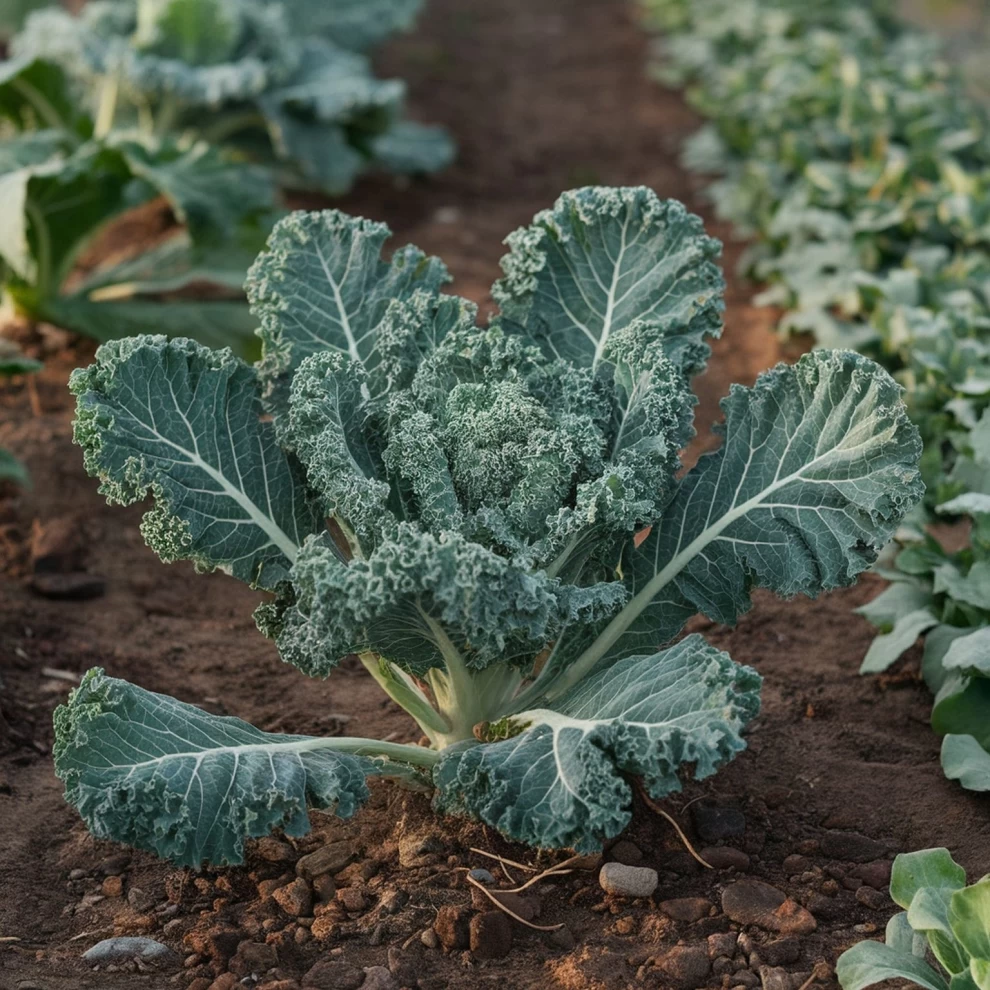
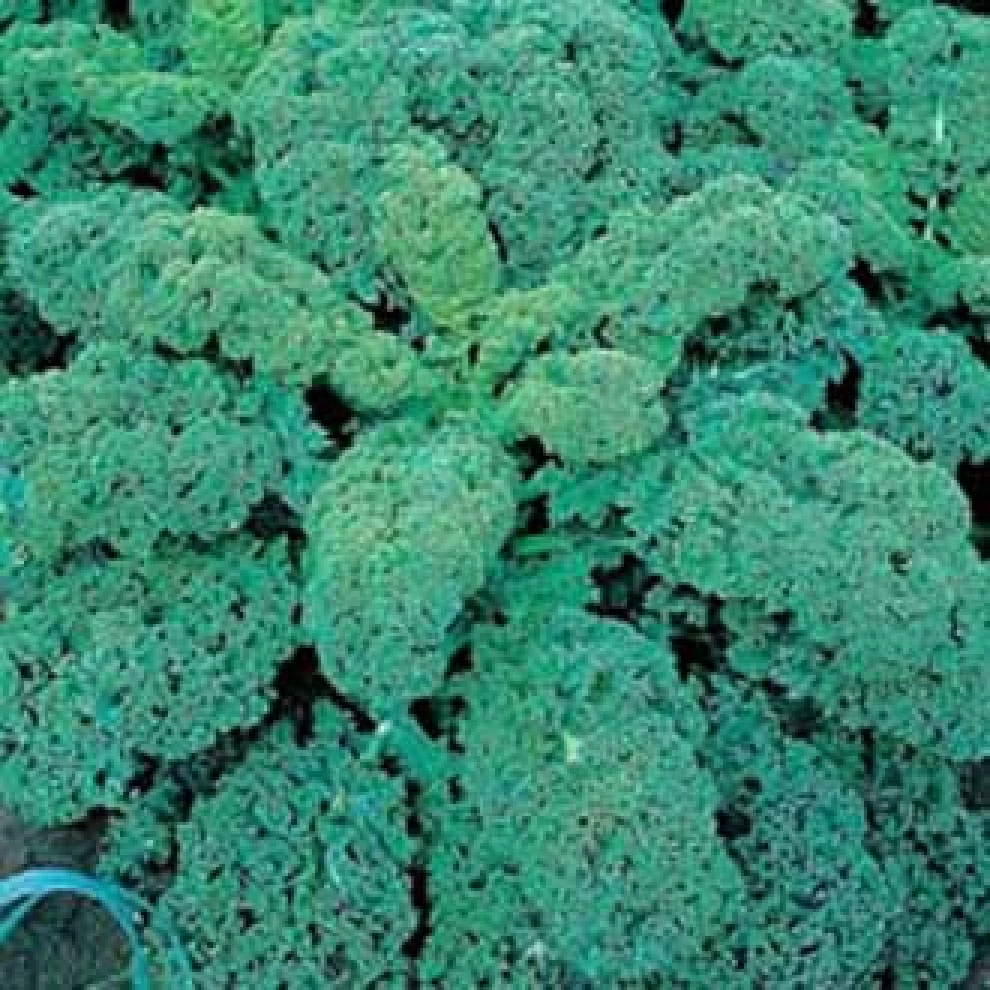
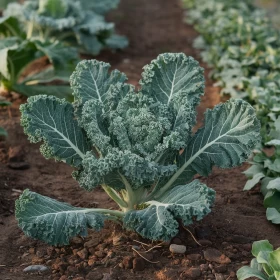
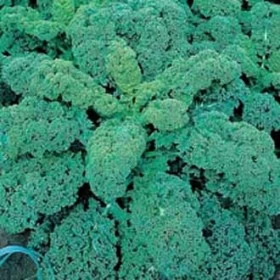
Kale - *Brassica oleracea*
Kale is one of the most potent "superfoods" in the world. It belongs to the same family as broccoli, cabbage, and cauliflower—the *Brassicaceae* (cruciferous) family—and is prized for its leaves, which can be eaten fresh or cooked.
Historically, kale was used alongside lettuce to garnish salads. Today, it has become one of the most sought-after leafy greens for salads, smoothies, and healthy meals, as it is exceptionally nutrient-dense while being very low in calories.
Nutritional Value
One cup of raw kale (67 grams) contains:
Calories: Only 33–35 calories
Vitamin K: 684% of the Daily Value (DV) – essential for blood clotting and bone health
Vitamin A: 206% of the DV (from beta-carotene)
Vitamin C: 134% of the DV – 4 to 5 times the amount found in spinach
Calcium: Higher levels than in milk, supported by vitamin K for bone health
Other nutrients: Manganese, riboflavin, iron, potassium, magnesium, folate, 3.6g of fiber, and 2.9g of protein
Antioxidants: Quercetin, kaempferol, lutein, zeaxanthin, and sulforaphane
Every 100 grams of raw kale contains only about 35 calories, yet it is packed with vitamin K, vitamin C, calcium, fiber, beta-carotene, lutein, zeaxanthin, folate, and iron. Benefits and Uses
Bone Health: Rich in vitamin K and calcium—essential nutrients for maintaining strong, healthy bones.
Immune Support: Packed with vitamin C, which strengthens the immune system and protects the body against illness.
Eye Health: Contains lutein and zeaxanthin—powerful nutrients that protect the eyes—as well as vitamin A to support vision.
Heart Health and Cholesterol: Contains antioxidant compounds that can help lower cholesterol levels, thereby reducing the risk of heart disease.
Anti-inflammatory and Anti-cancer Properties: Contains sulforaphane and glucosinolates, which support liver function, aid in detoxification, and may reduce the risk of cancer.
Blood Sugar Regulation and Digestion: High fiber content helps alleviate constipation, while alpha-lipoic acid assists in lowering blood sugar levels and improving insulin sensitivity.
Diet-Friendly: Low in calories and high in fiber, it promotes a feeling of fullness.
Culinary Uses
Salads: Can be eaten fresh in salads; massaging the leaves with a little olive oil and lemon juice makes them tender.
Green Smoothies: Blend with fruits to create nutritious smoothies.
Cooked: Like other leafy greens, it can be sautéed with garlic and olive oil, or added to soups and pasta dishes.
Kale Chips: Bake the leaves in the oven with a bit of salt and olive oil until they become crispy. Cultivation Method
Annual in temperate regions: It is grown as an annual in cool-temperate climates; it can withstand frost and freezing temperatures—in fact, its flavor often improves in cold weather.
Soil: Kale thrives in moist, well-drained soil rich in organic matter, with a pH level between 6.0 and 7.0. It is recommended to prepare the soil before planting by tilling it and incorporating animal manure.
Planting: Sow seeds at a depth of 1 cm, spaced 30 cm apart, with 50 cm between rows. Alternatively, you may plant pre-grown seedlings.
Light: Requires at least 6 hours of sunlight daily; it grows well in full sun to partial shade.
Germination and Harvest: Germination occurs within 7–14 days, and harvesting can begin 35–42 days after planting. Harvest individual leaves starting from the outside; the plant will continue to produce new growth.
Note for Kuwait: An excellent cool-season crop. The best time to plant is from October to April. During the summer, provide a semi-shaded location and regular irrigation; growing it in pots or using a hydroponic system indoors yields excellent results.
Harvesting and Storage
Harvest by hand, picking leaves one by one from the bottom upward.
Store in the refrigerator in a paper bag or container for 5–7 days.
Wash thoroughly before consumption to remove any dirt or dust.